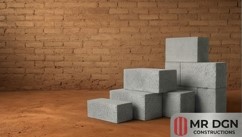
How to Avoid Fake Cement and Poorly Cured Blocks in Nigeria
Material quality begins with a clear specification and a supplier that can explain what is being supplied. It does not begin with a large claim or a low price alone.
When buying cement
Confirm the brand or product, bag size, quantity, packaging condition, delivery date and storage plan. Do not accept wet or visibly damaged bags without clarifying the issue. Store cement in a dry, raised and protected place.
When buying blocks
Confirm the block size and the intended wall application. Ask about curing, handling and delivery timing. Inspect the delivered blocks for obvious damage and record the quantity received. The project engineer or contractor should determine whether additional testing is required for the work.
Ask for product information
MR DGN's public product listing provides specifications for its listed blocks and cement products, including sizes, strength information and bag unit. Use those details as a starting point and confirm the exact product available for your order.
Keep your order documented
A written quote, invoice, receipt and delivery record make it easier to identify what was ordered. If a product differs from the order, report it promptly with the order reference and photographs.
Do not confuse supplier information with engineering approval
A supplier can provide product information. The project engineer remains responsible for deciding whether a material is suitable for a particular structural application and whether testing is needed.
Request a current cement or block quote from MR DGN with your project stage, quantity and site location.